
Should I replace carpet before I sell?
Great question- one that we’re asked quite often. The short answer is: it depends. There’s a fine line between carpet that is “salvageable” for selling the house and carpet that needs complete replacement.
Is it outdated?
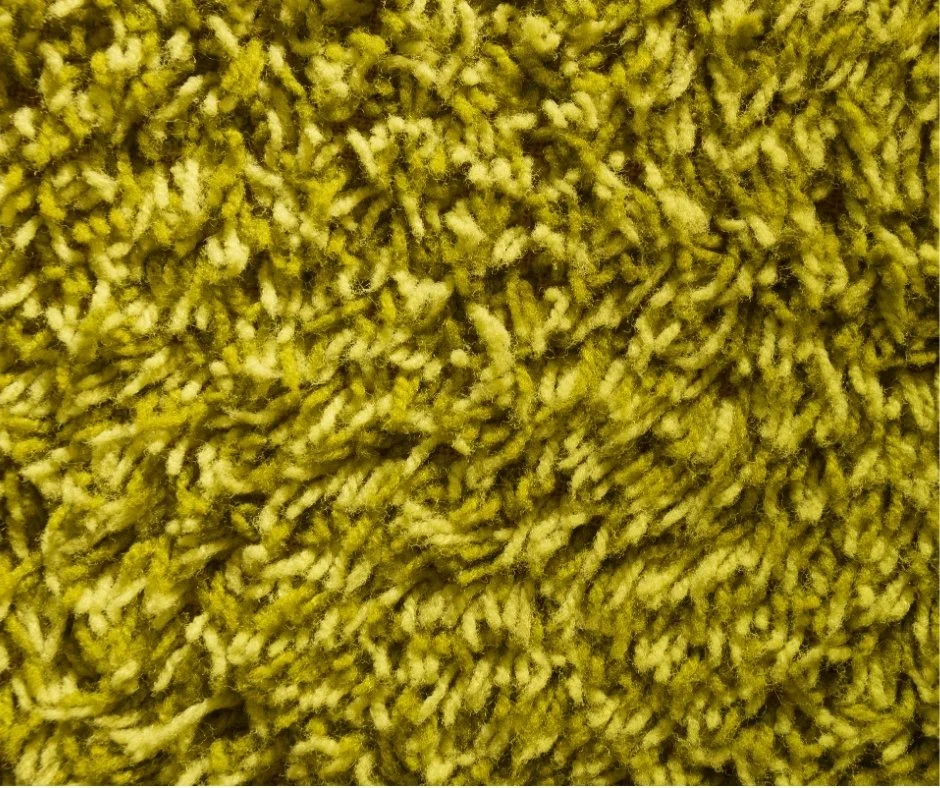
If it’s outdated in a good way and still in great condition, it could be beneficial to keep it. For instance, orange shag carpet in a 1990-built two-story home is just plain dated and very taste specific. But in a mid-century modern home, orange shag carpeting in great condition would be perfectly appropriate! It’s not crucial that your carpeting be the very latest trend, but you don’t want carpeting that was very trendy at one time but now looks out-of-date. If carpet with similar “pile” or texture can no longer be found at flooring stores, it’s probably time to replace it.
Is it stained?
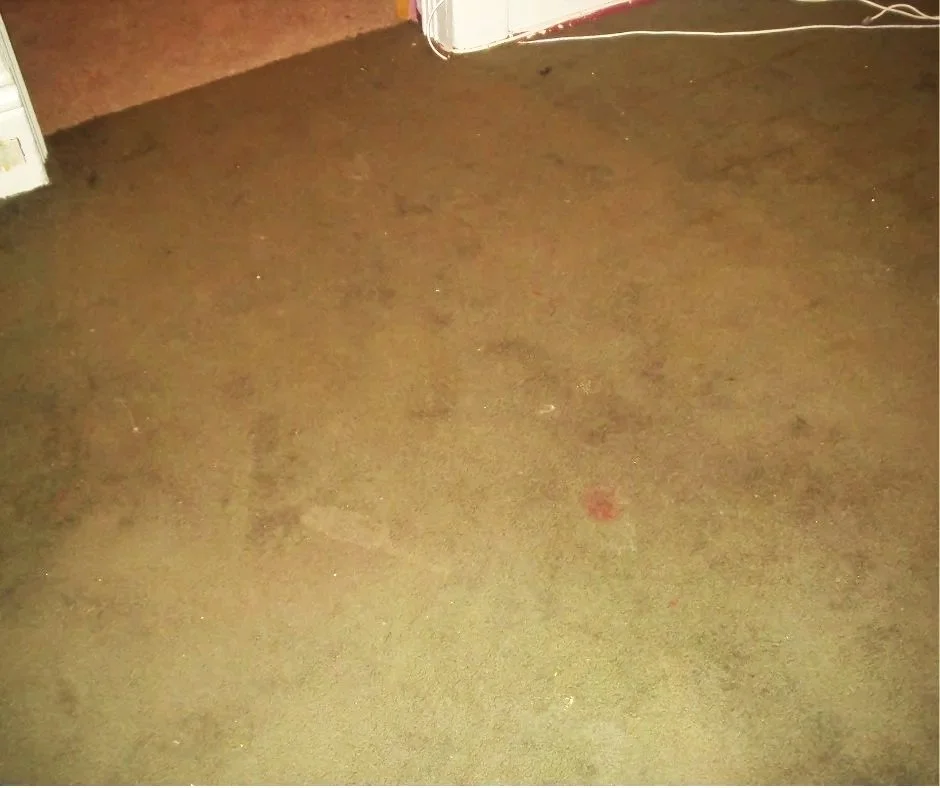
Buyers tend to see stained carpets in a new home the same way they’d see stained carpets in a hotel room- poorly maintained and gross. Stains are especially off-putting when they’re unidentifiable. Is it animal urine? Animal vomit? Baby poop? The buyer’s mind can blow things out of proportion. Before ordering new carpeting, contact a carpet cleaning company and explain that you need to have some deep/old/stinky/whatever stains removed. Don’t just schedule a standard carpet cleaning. Challenge that company to only commit to the job if they have experience removing stubborn stains. If you don’t let them know what they’re up against, it’s easy for them to do a basic cleaning and say they didn’t realize you had staining and there’s no way they could remove said-stains. This, as opposed to you telling them up-front that there are severe stains and you want to know if they have experience with that. If they still commit to the cleaning and assure you they’ll remove the stains, it puts more onus on them to do-so. If 1-2 small stains remain after cleaning, how visible are they? If they’re in an area where the new owner’s rug or furniture might go, you might be able to simply disclose the stains and sell as it is. If they’re in the middle of the floor and quite obvious, this will be a turn-off for buyers so consider replacing it.
Is it wrinkled or rippling?
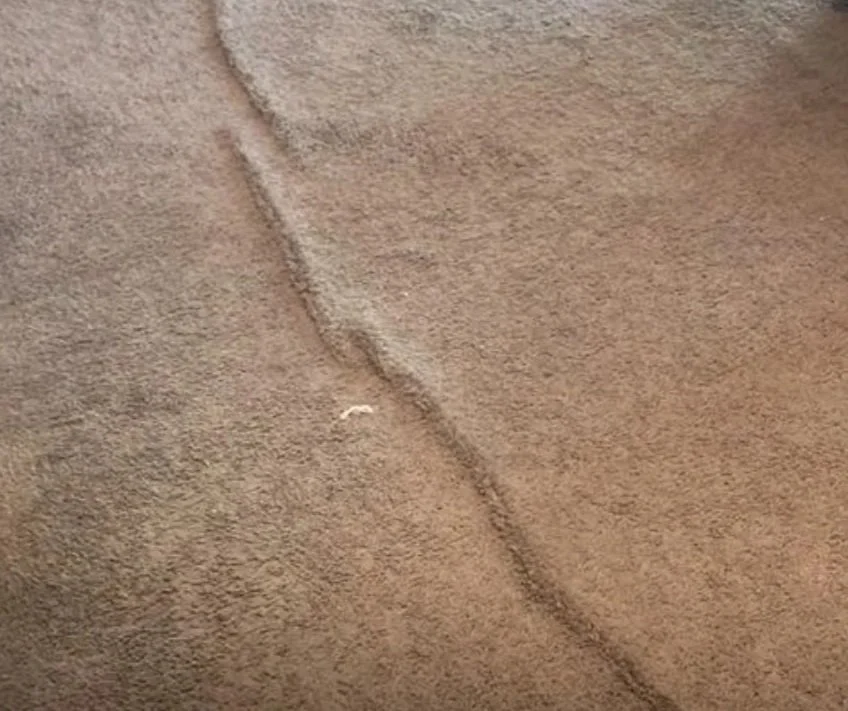
When carpeting starts getting waves/wrinkles/bubbles in it, that doesn’t usually mean it needs to be replaced. Instead, it likely just needs to be stretched. Look online for a professional that can do “carpet stretching.” You’ll probably need to move furniture out of the room (or make sure to find a company that can do the moving for you) as they’ll re-stretch the carpet wall-to-wall. But if your wrinkled carpet is otherwise in good condition, you might be surprised at the improvement after this is done.
Does it have “bald spots”?
Especially in homes with pets that “dig,” carpet can get worn or even “bald” in certain areas. If you still have some of that spare carpet in storage, a professional might be able to patch the bald spot. But keep in mind- just because you have a scrap of the same carpeting, there’s no guarantee it will blend perfectly. You’ll need to make sure the color hasn’t faded, matting hasn’t occurred, and general dirt around the laid-carpet won’t make the patched piece stand out like a sore thumb. If patching it doesn’t work, consider replacing the carpet, depending on the severity.
Does it smell?
This is one of the toughest things for owners to know because it’s easy to become “nose-blind.” If you smoke inside your home, chances are good that the carpeting smells like smoke. If you have large dogs that come in from a rainstorm and run around the house while wet, chances are good that the carpeting smells like wet dog. If you have a cat with a chronic illness or isn’t well-trained at litter box usage, chances are good that the carpeting smells like cat urine. Odors are something that can be very tough to treat and eradicate. Sometimes it takes a trusted friend (who rarely visits your home) to step inside and give you the honest truth about whether or not there’s an unpleasant odor lurking. A good ozone machine can remove some odors from the carpeting but some odors (like cat urine) will never be removed if not treated with enzymes immediately. Trust me. I have 3 cats and I am a foster caregiver for kittens; I’ve learned this the hard way. If you suspect dog or cat urine in the carpet, use a blacklight to double-check. Once dry, cat and dog urine will glow like a Christmas tree under a blacklight. If you find cat urine, especially, make sure to check every layer of flooring as cat urine can easily penetrate the carpet, into the pad, and sometimes even into the subfloor. If that’s the case, you’ll need to replace the carpet, the pad, and treat the subfloor with KILZ, assuming the subfloor isn’t rotting from excessive moisture.
Did I miss anything? Comment below if you have a question about your own carpeting and whether or not you should replace it.